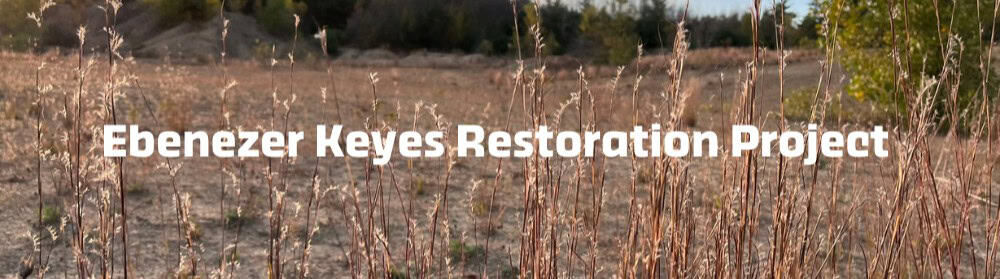
A habitat restoration project is underway at Ebenezer Keyes Conservation Area in Gardner Massachusetts. The goal of this project is to restore ecological value, improve biodiversity, and increase climate resiliency to a previously disturbed site. This site endured multiple failed development projects and was left in poor condition, but has a bright future ahead as an inland sandplain grassland habitat. This habitat type is globally rare and supports multiple species on the Massachusetts list of species of special concern.
We hope you will join us to help this habitat grow by volunteering and following along!
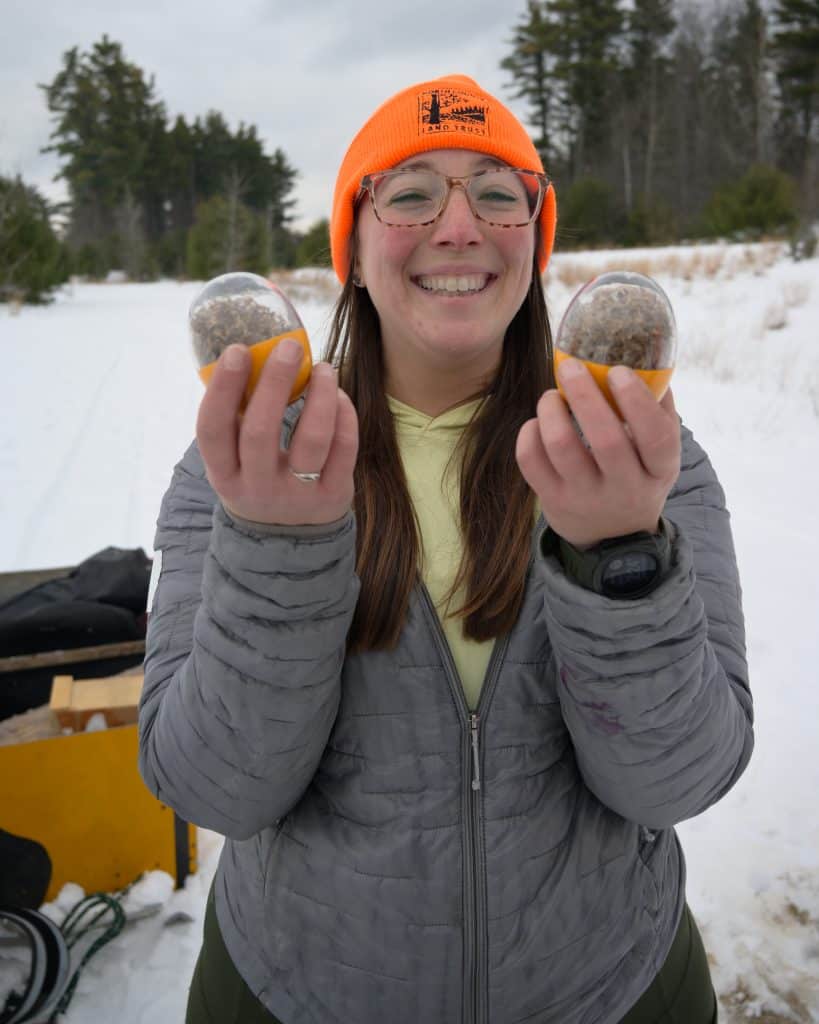
4/25/26: Volunteers joined staff to create block plots and seed for the key inland sandplain grassland species, little bluestem, and celebrate Earth Day. Plots were marked out with stakes, prepped with rakes and water, and spread with seed. A fun day was had by all!
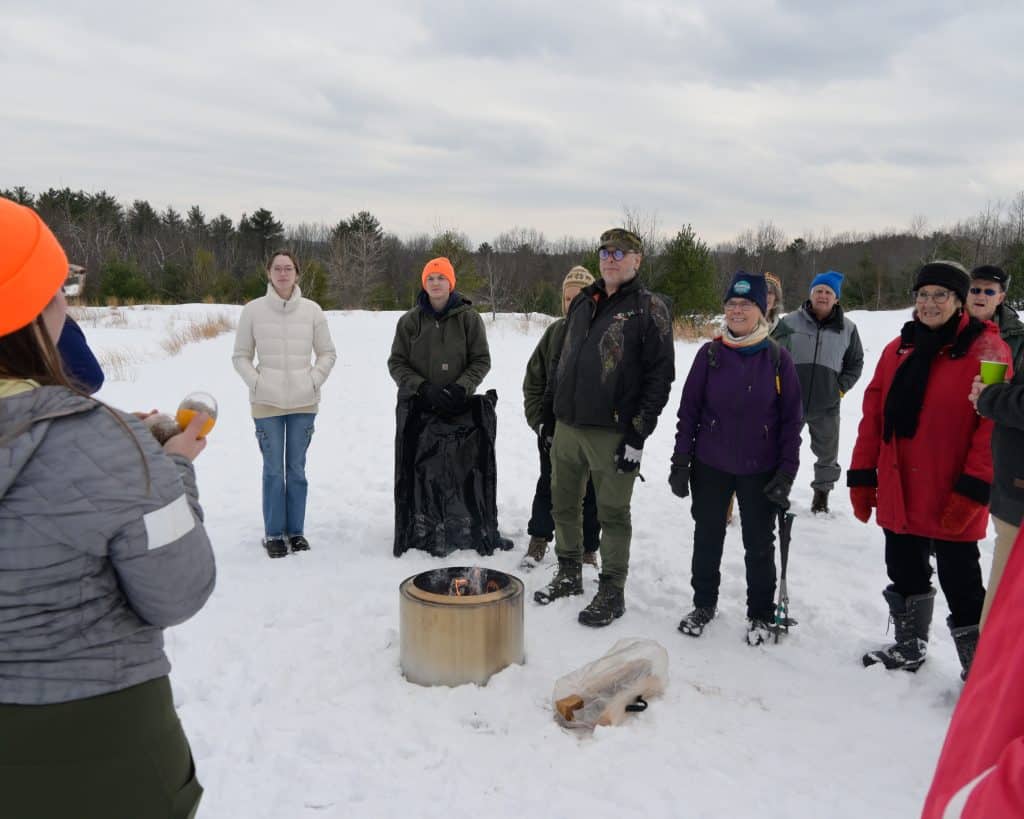
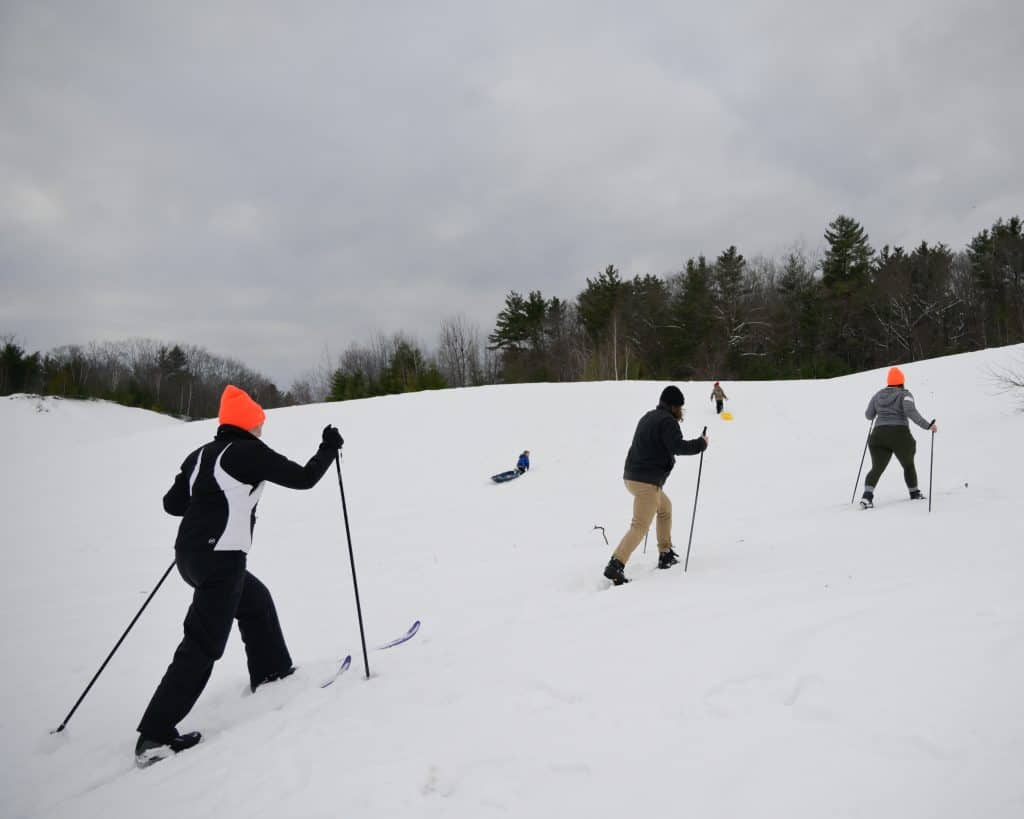
12/7/25: Seeding the grassland event snowed out, gathered by the fire and enjoyed the new terrain, seeding rescheduled to springtime
10/28/25: Site work to create rolling landscape completed
6/26/25: Site grading and earth-moving starts
4/29/25: Conservation Commission NOI approval to begin grading of sand mounds into more rolling landscape
3/15/25: Keyes Inland Sandplain Grassland Walk and Talk
2/18/25: Zoning board approval to begin grading of sand mounds into a more rolling landscape
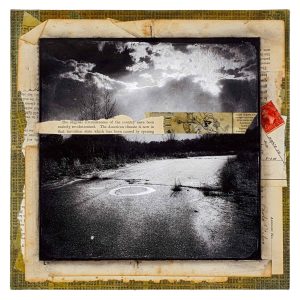
Jessica Robey, NCLT’s 2nd artist-in-residence completed the culmination of her 2 year residency with NCLT. In her photography and mixed-media collages, Robey investigates Ebenezer Keyes Conservation Area. Robey’s photographs showcase the strange spectacle of this transitional landscape, stripped of topsoil and vegetation, then abandoned to whatever flora and fauna manage to survive there. Her project tracks the rewilding of this area and documents the many diverse ecosystems establishing themselves on the fringes of this seemingly barren wasteland.
NCLT is partnered with an ecologist to plan for an inland sandplain grassland habitat restoration. For more information about Inland Sandplain Grasslands visit the fact sheet on mass.gov. The harsh conditions left on site serve as a perfect starting point for this habitat type. Permitting with the city and arrangements with a site work contractor were already underway and this was a significant step forward.
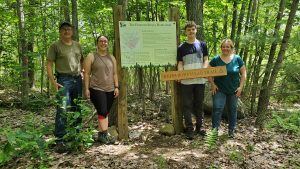
Jameson Brinker of Gardner Scout Troop 4 cut a trail to the historic Ebenezer Keyes Homestead cellar hole at the highest point of elevation on Ebenezer Keyes Conservation Area as well as created an informational sign to go at the site. Visit the homestead and learn about the site by hiking the Keyes Homestead Trail.
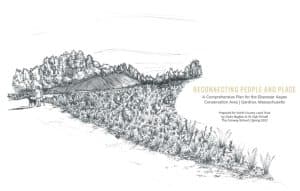
Over the winter of 2021 into 2022, work at Keyes had not slowed down. Two new parking areas were established along with kiosks with trail and conservation area information to welcome people to the property. July of 2022, the Conway School Comprehensive Plan for Ebenezer Keyes was Released.
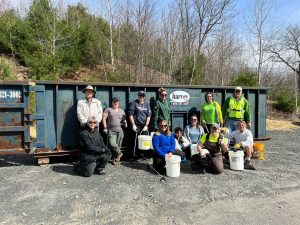
NCLT staff met with environmental consultants and walked the property many times as the seasons changed gathering many sources of data to inform decisions on how to best steward the land and help restore habitat. Signs were put up and new parking at the trail heads designed. Cleanup days were hosted as well as ample help from volunteers monitoring the land and picking up trash.
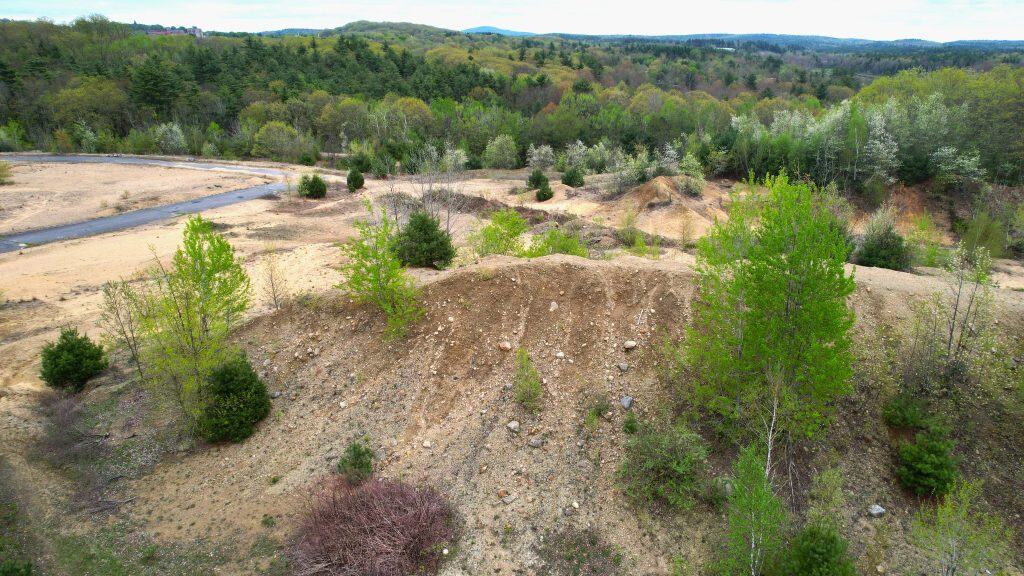
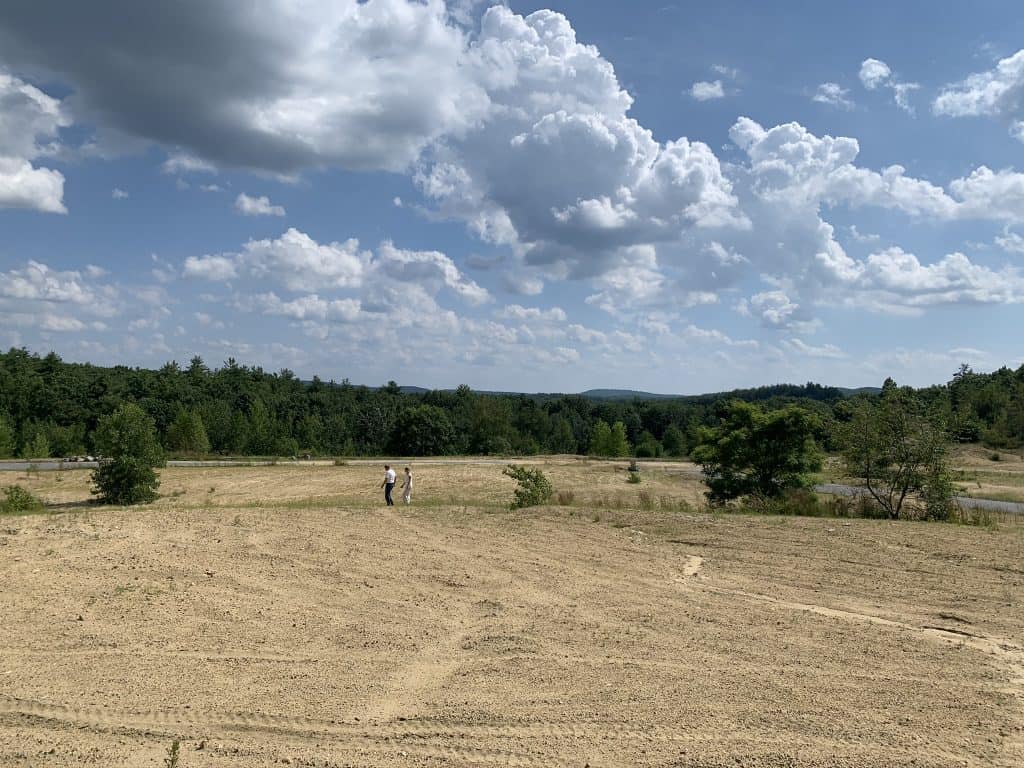
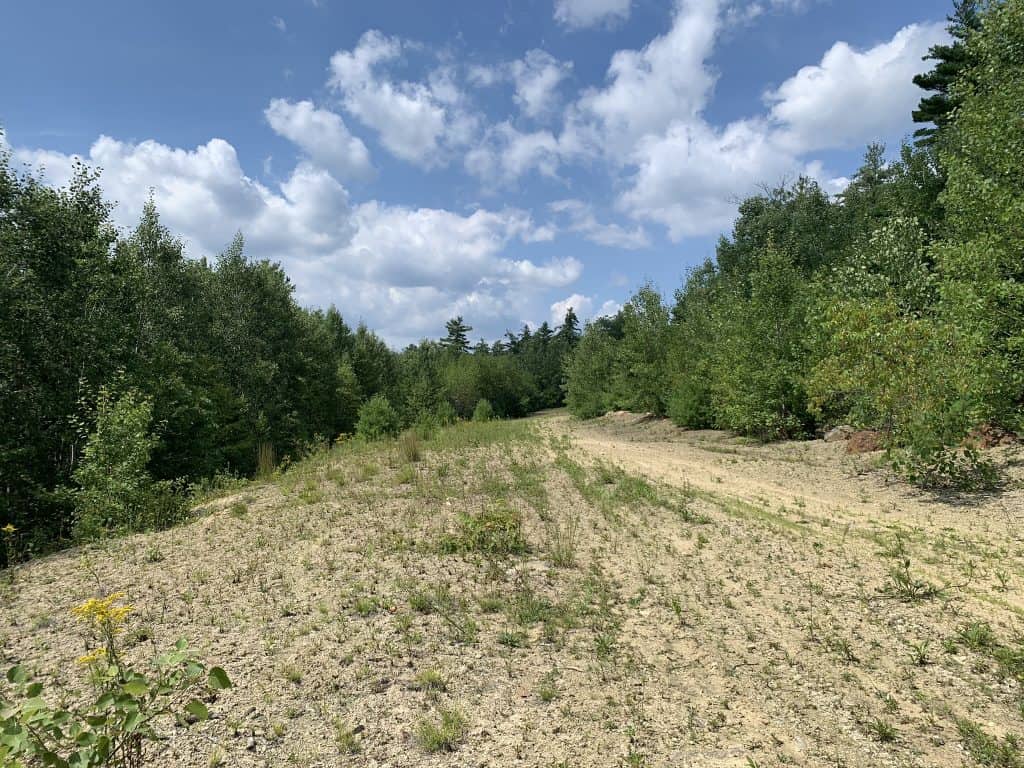
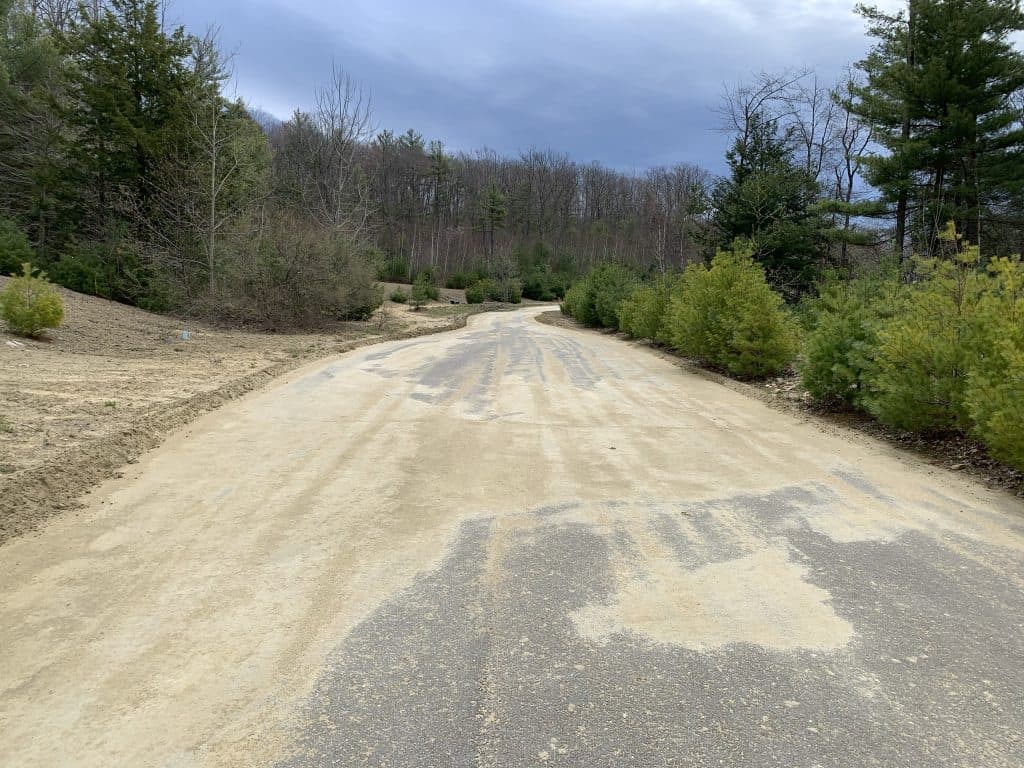
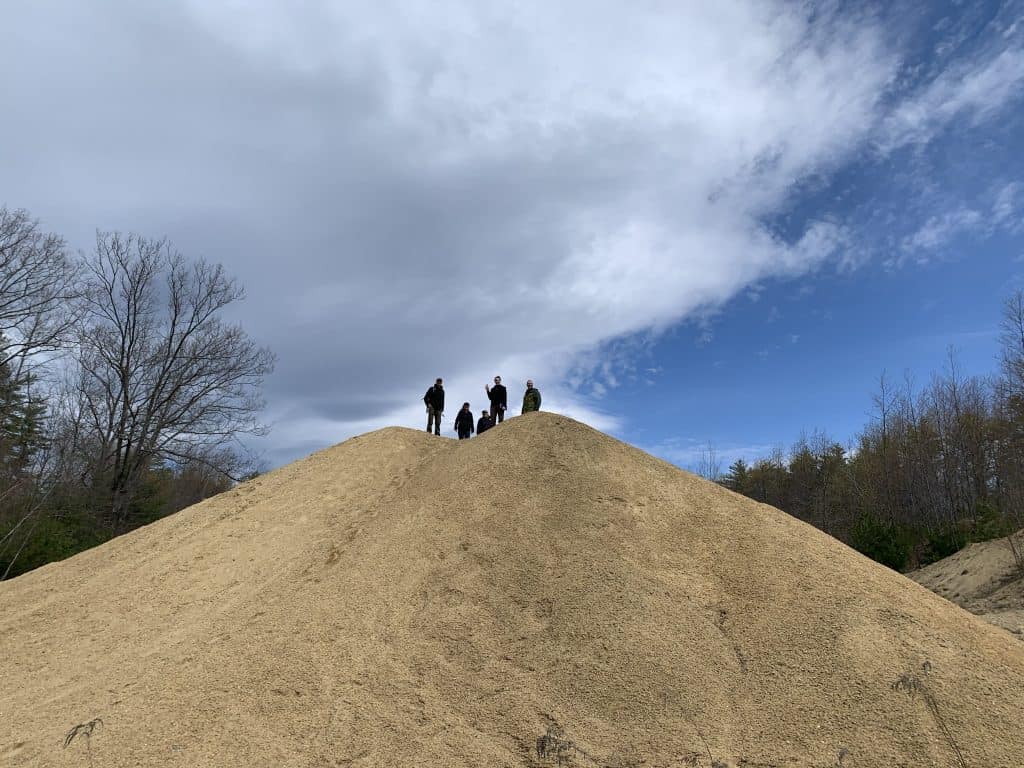
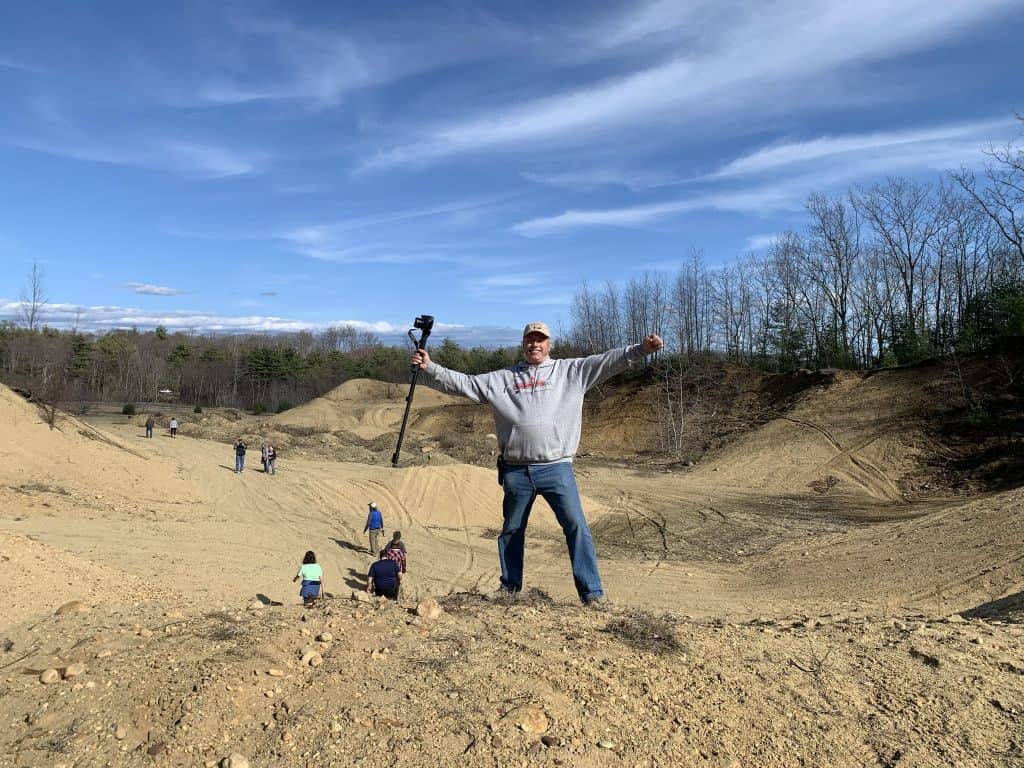
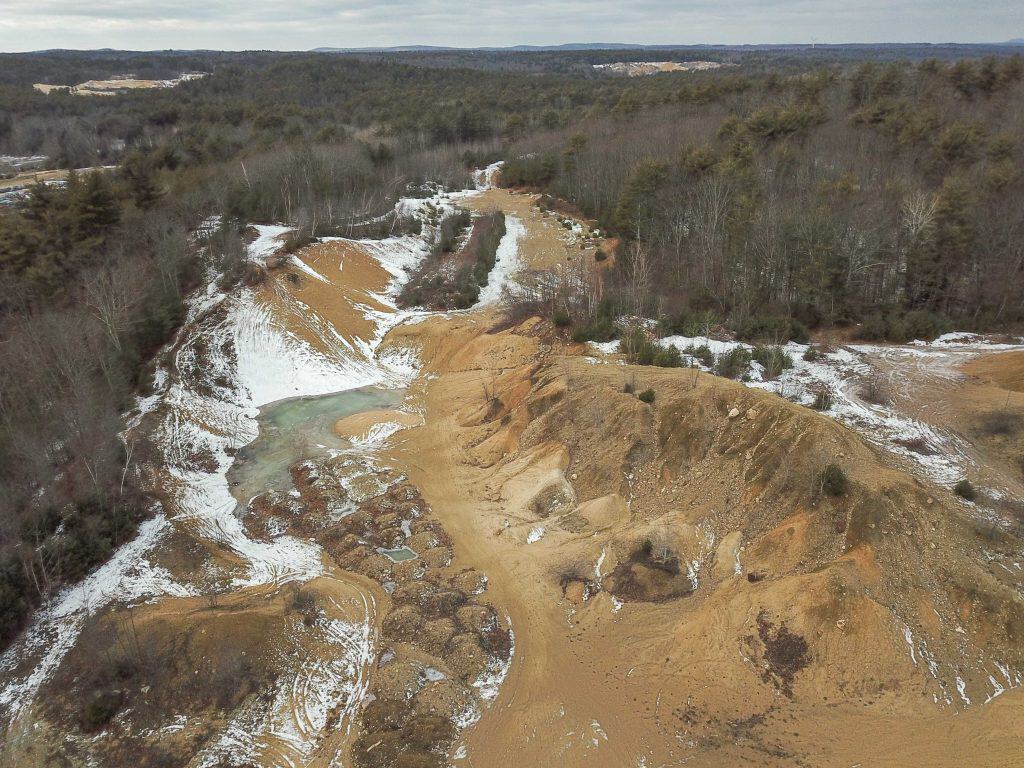
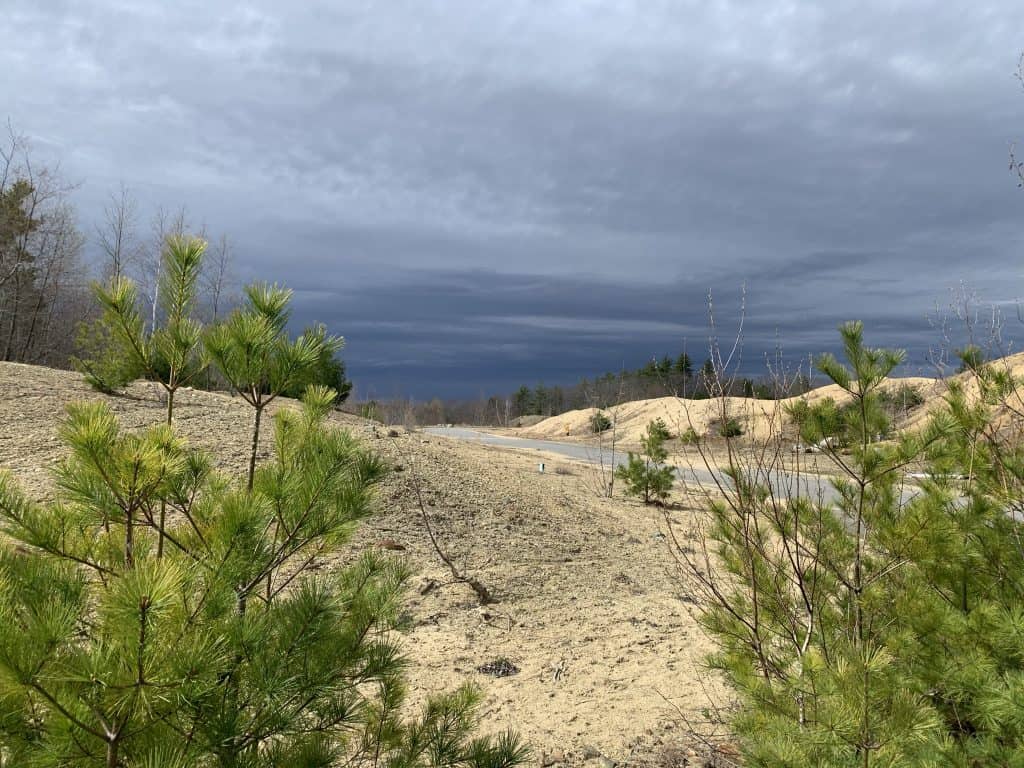
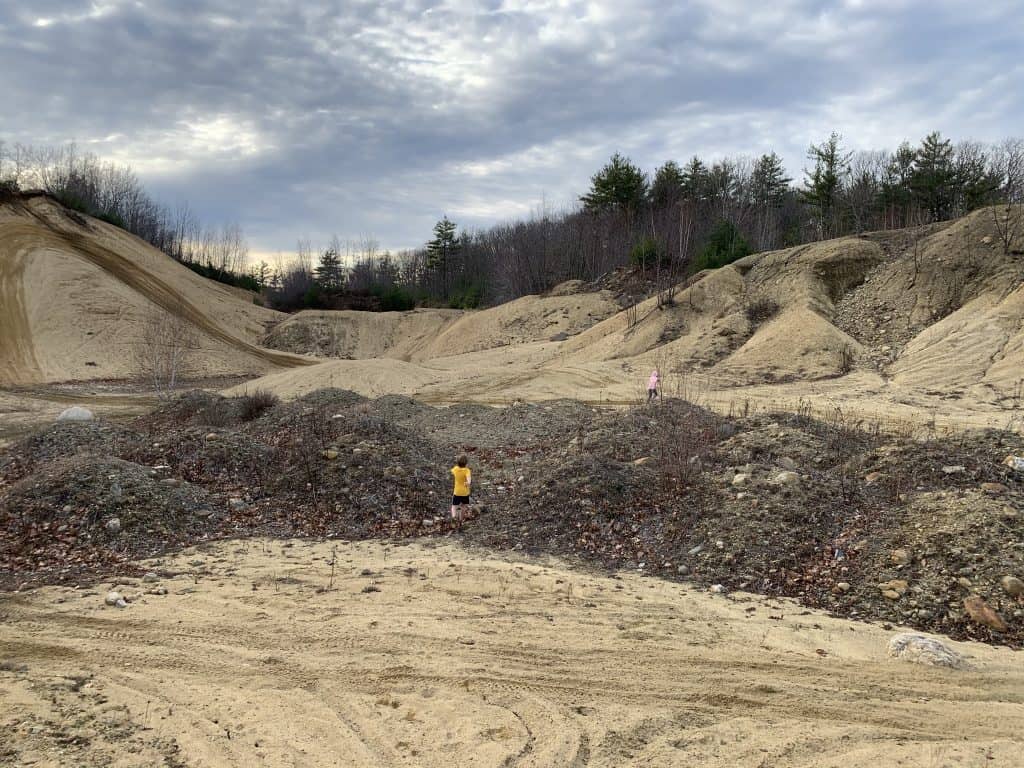
After multiple failed development attempts this 157 acre parcel in Gardner, Massachusetts was donated to NCLT by Salem Five Bank. The failed development projects left behind a barren and inhospitable environment of paved roadways surrounded by large mounds of sand.
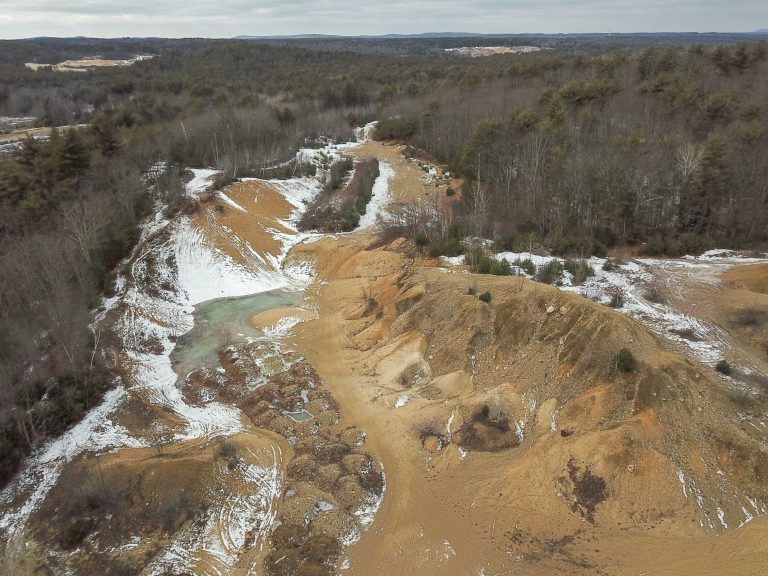
2025 Photo Updates :
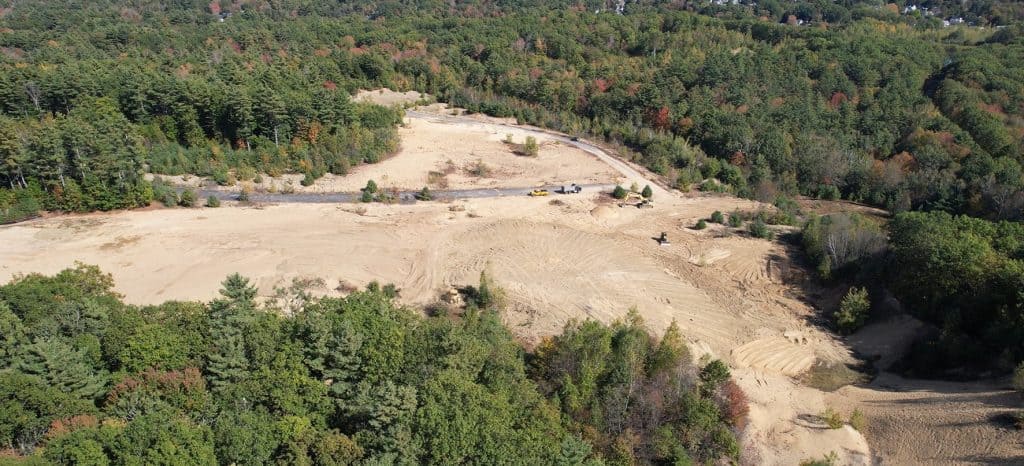
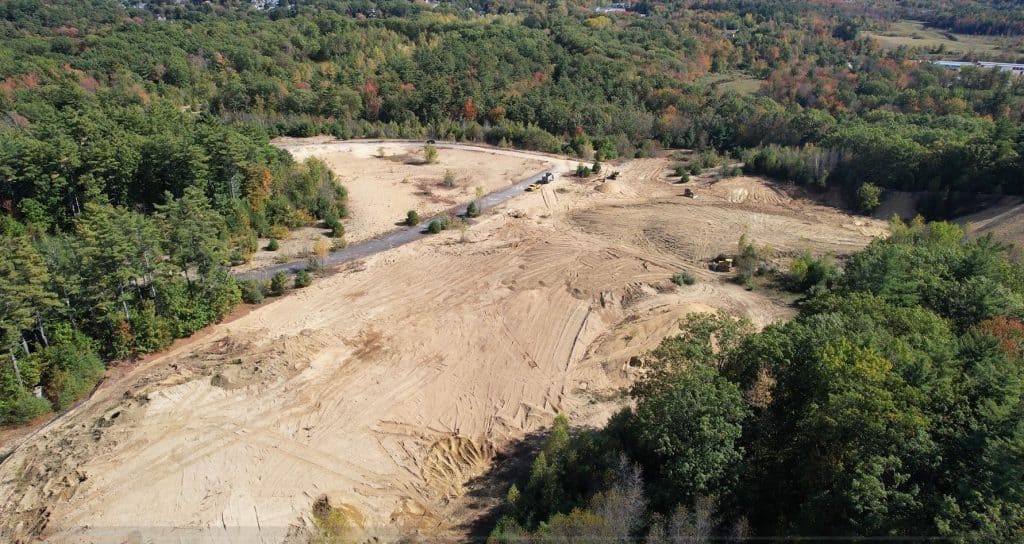
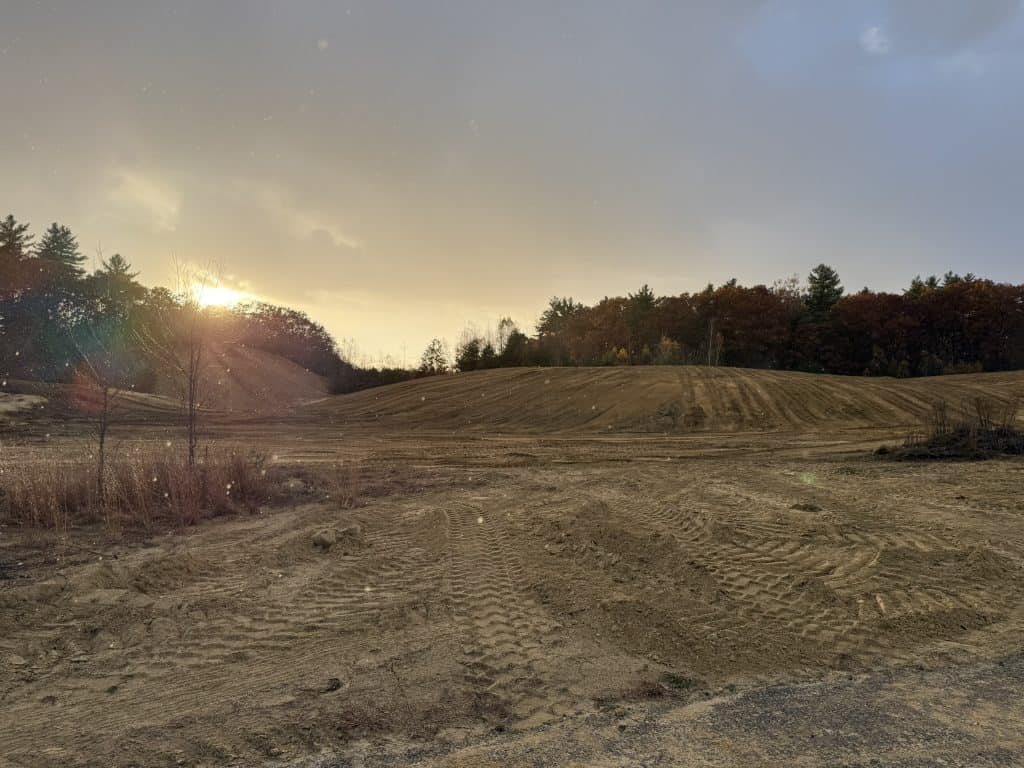
Where We Started:
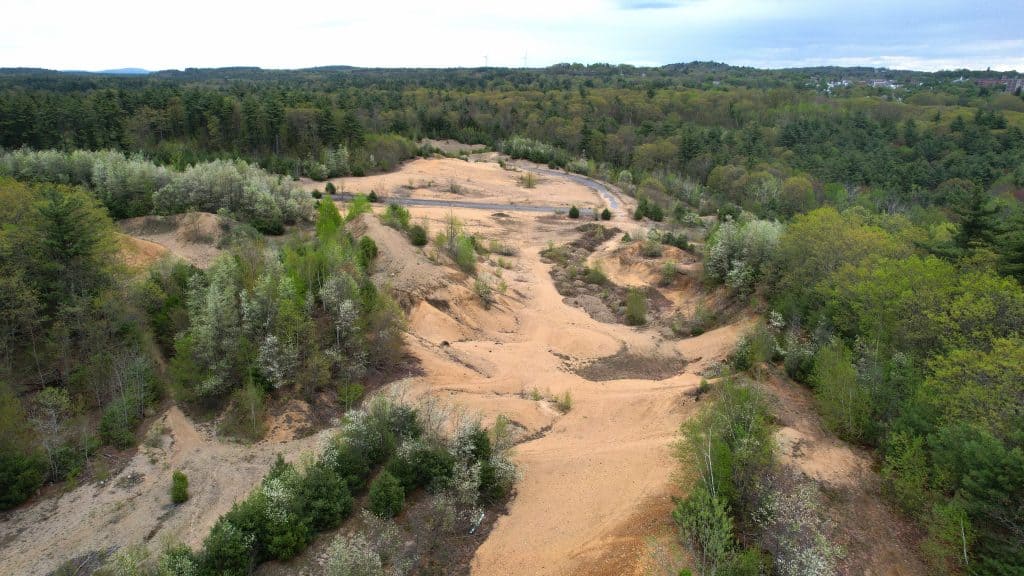
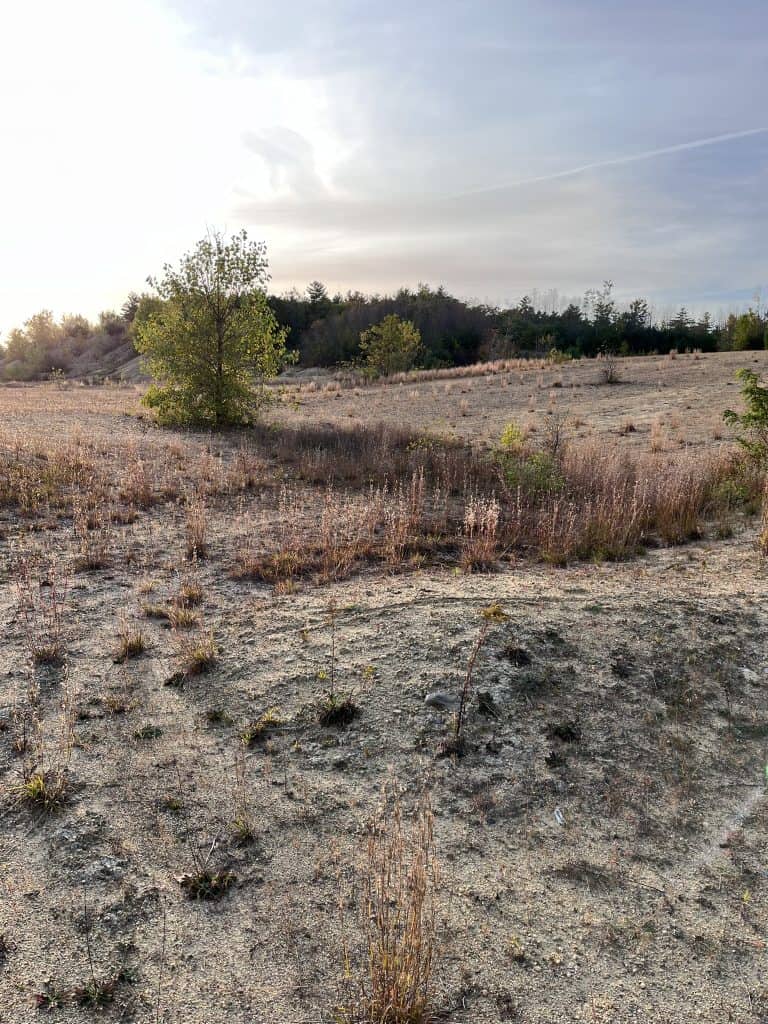
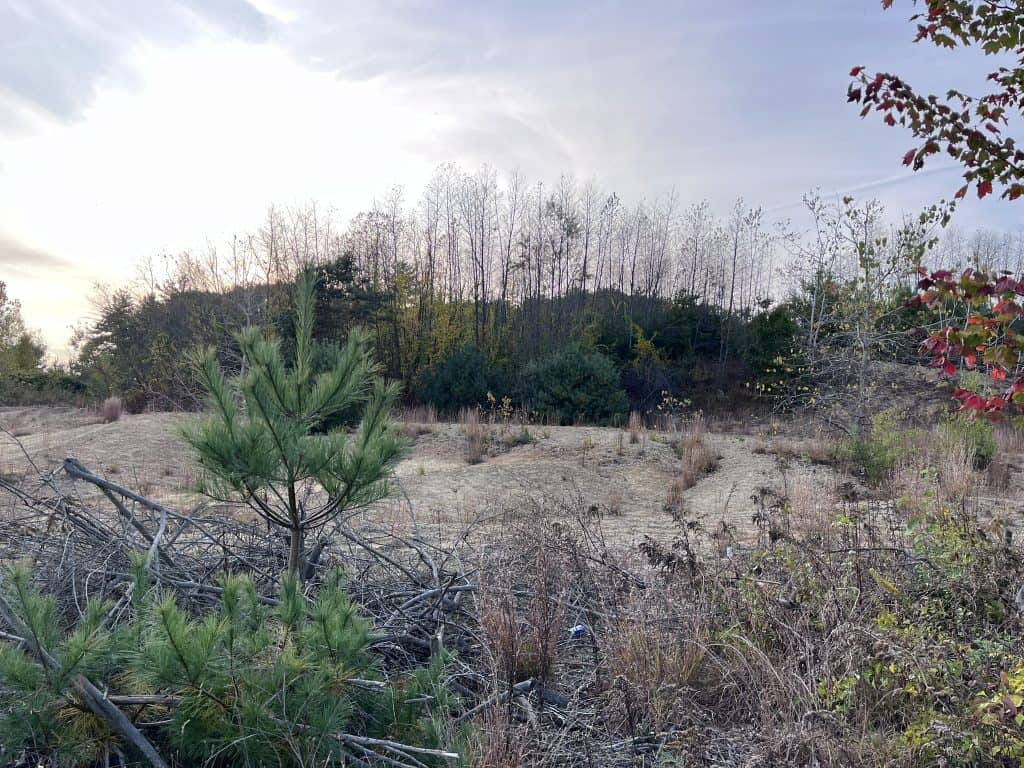
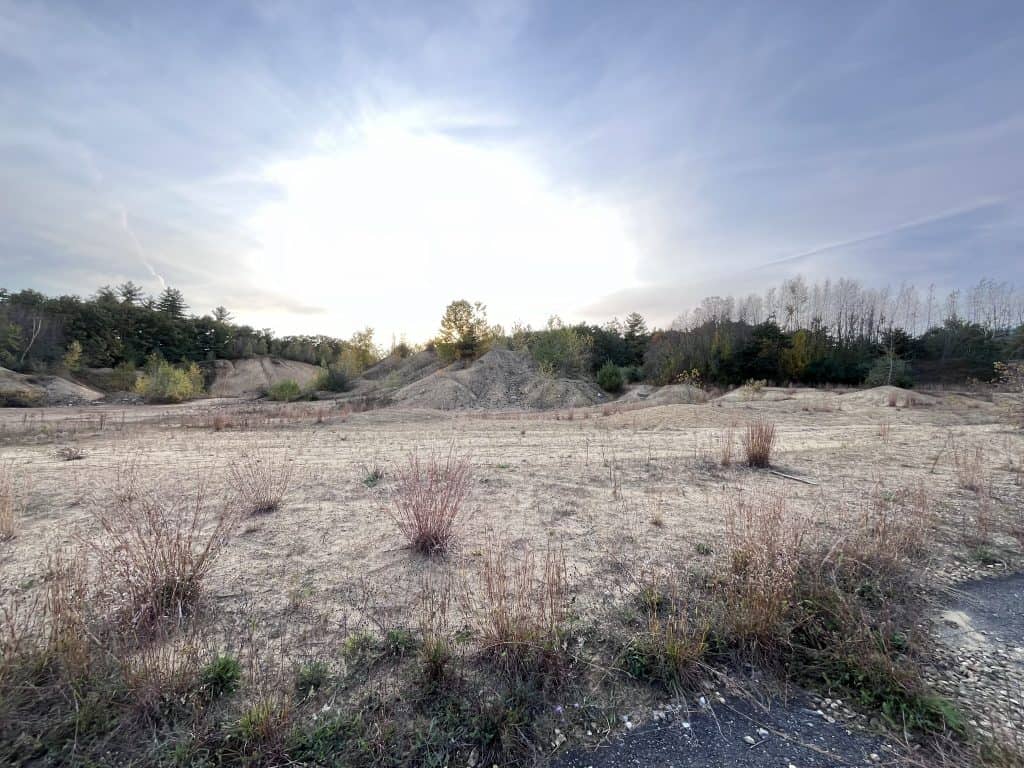
Potential for the future of Keyes:
Example site: Bolton Flats Wildlife Management Area, Lancaster MA
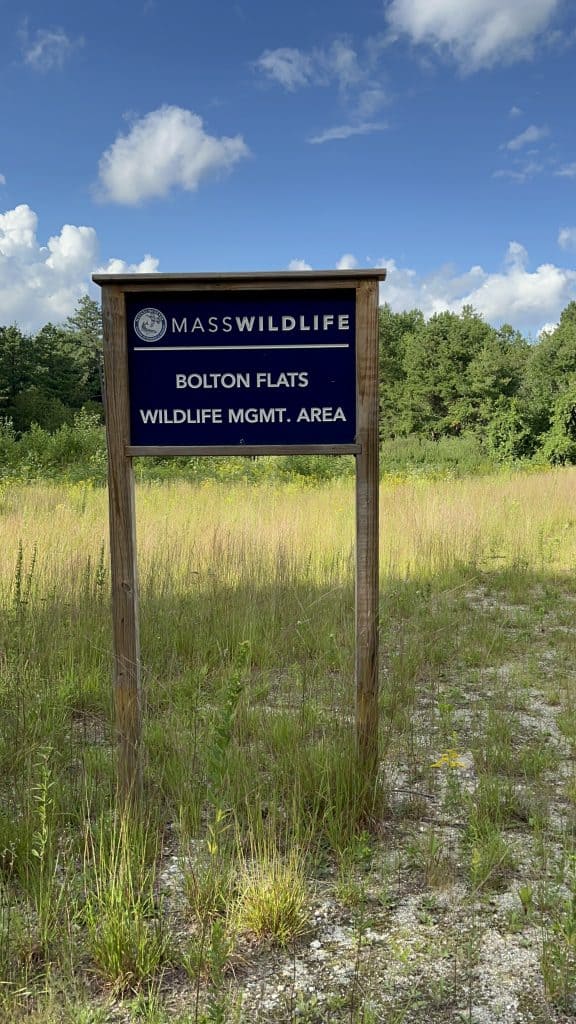 Bolton Flats 8.8.23
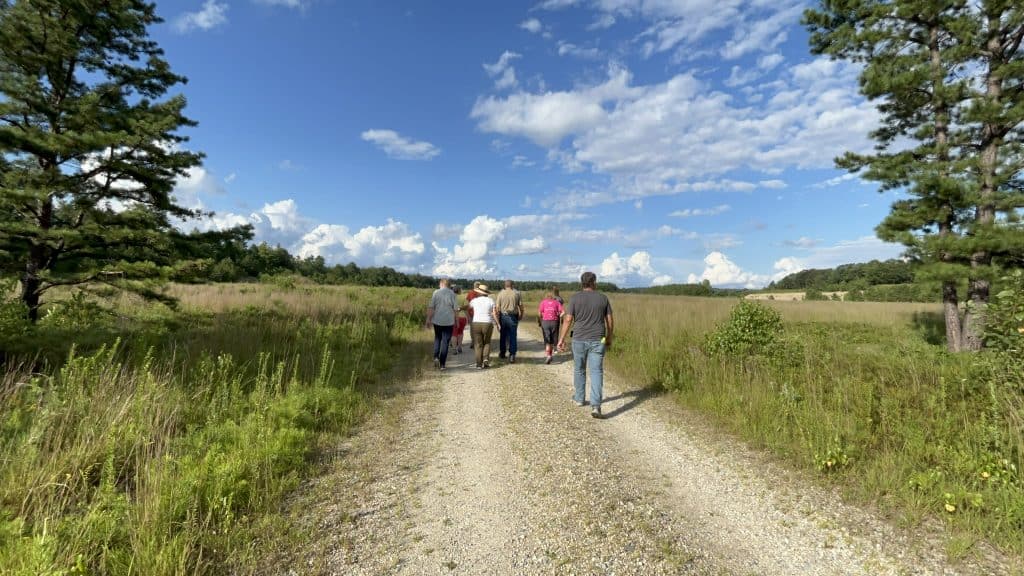 Bolton Flats 8.8.23
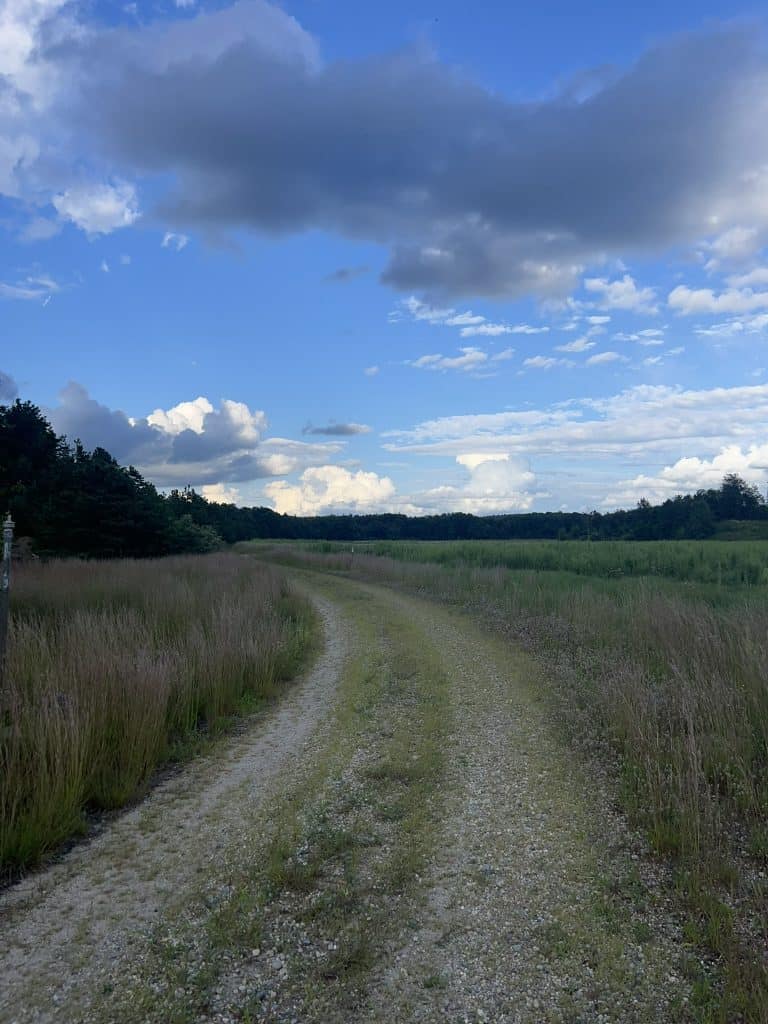 Bolton Flats 8.8.23
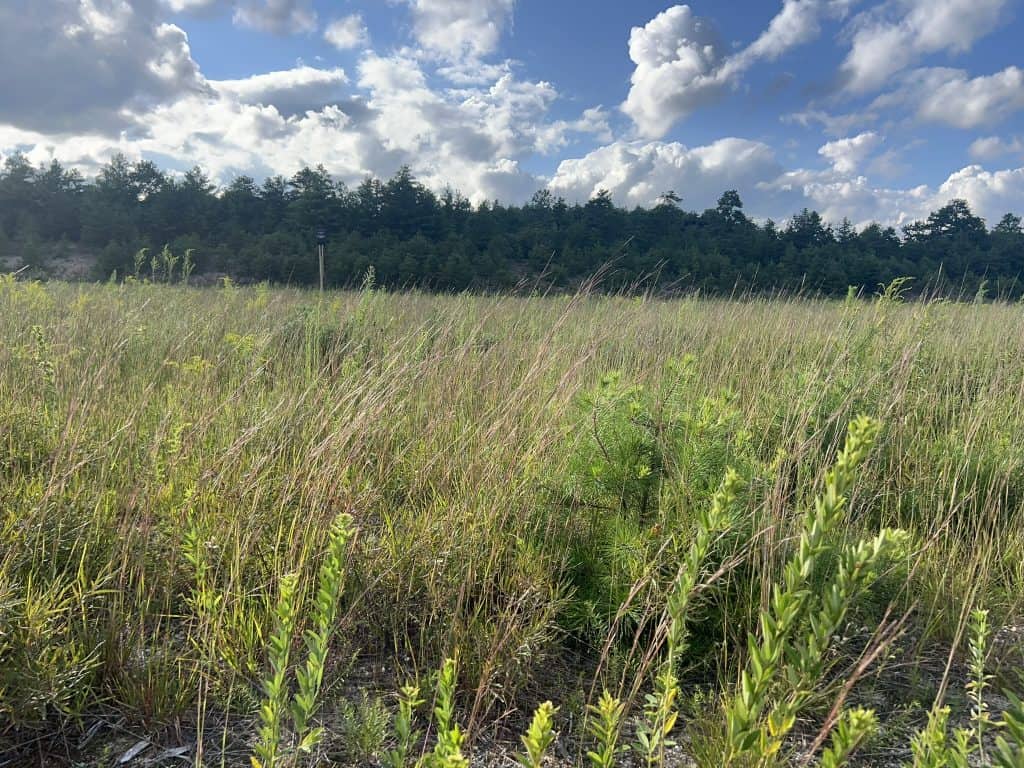 Bolton Flats 8.8.23
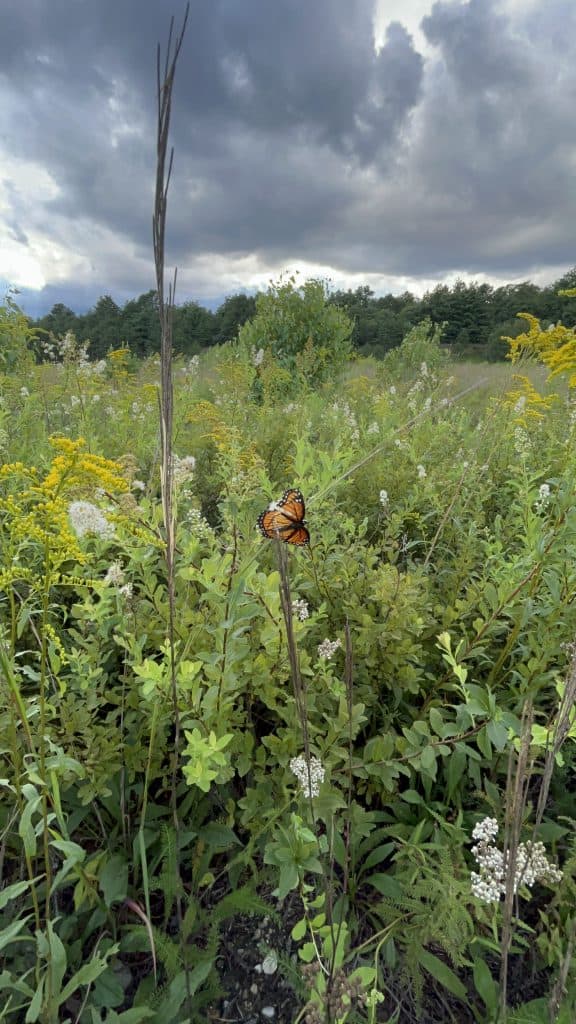 Bolton Flats 8.8.23
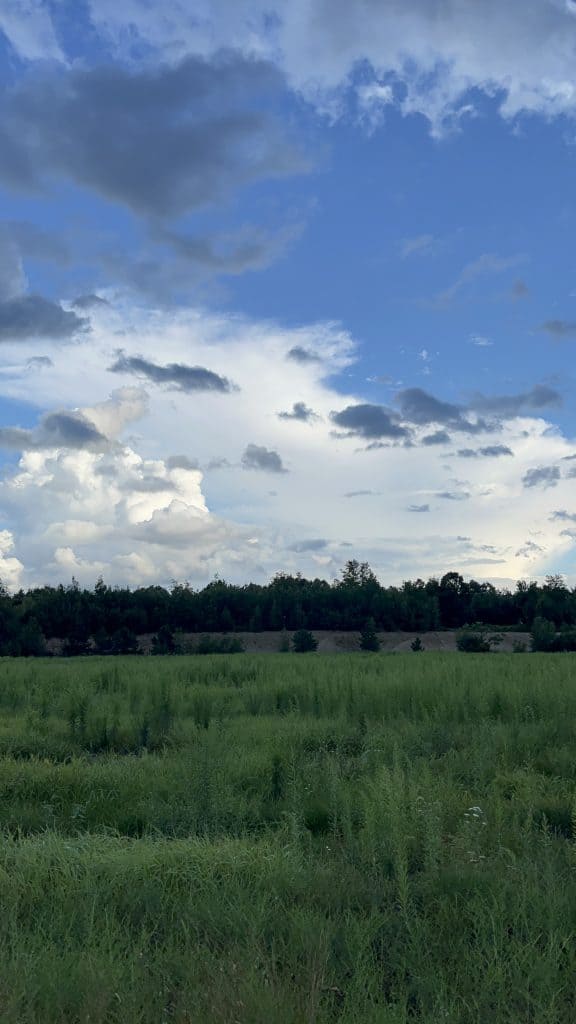 Bolton Flats 8.8.23
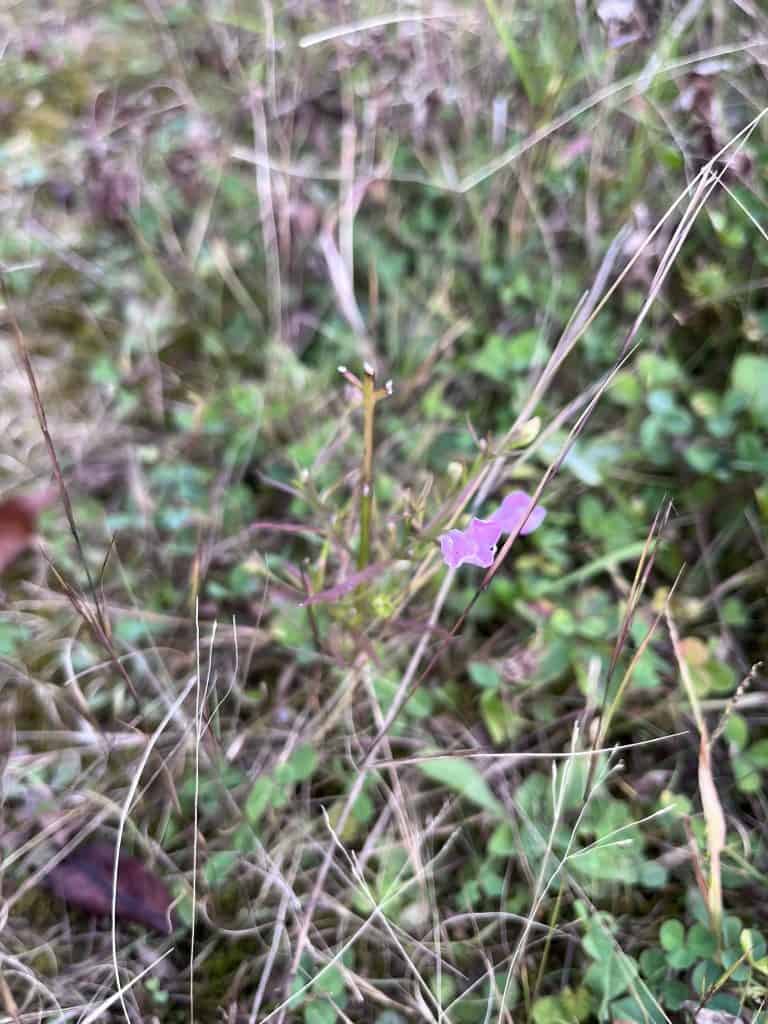
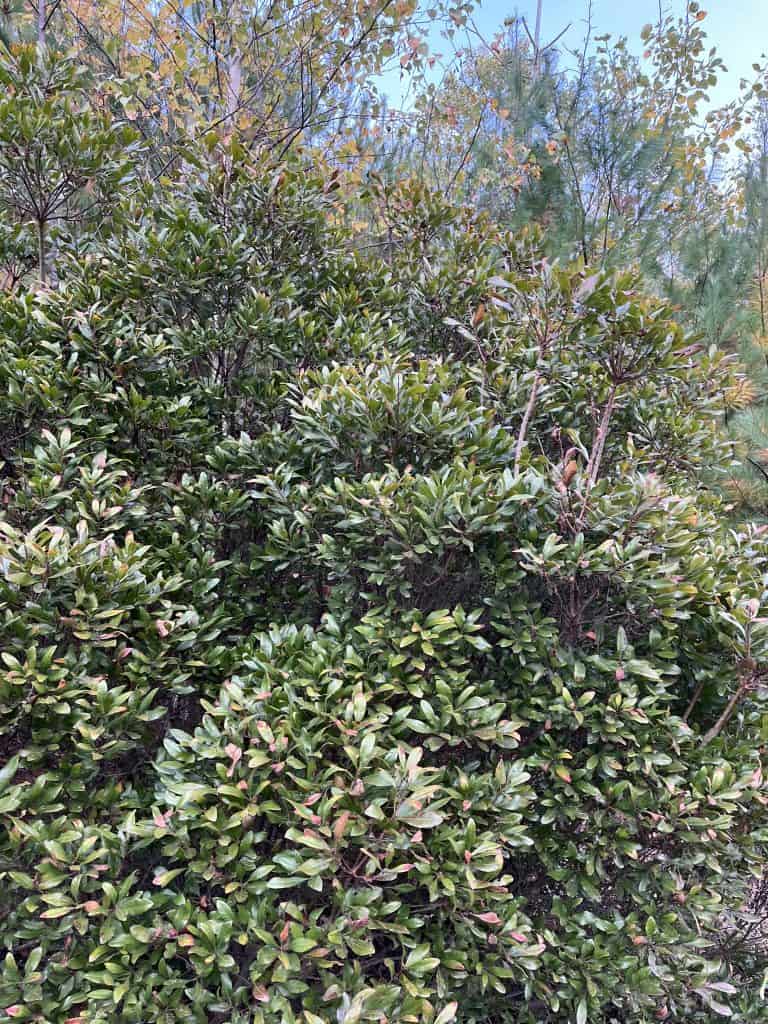
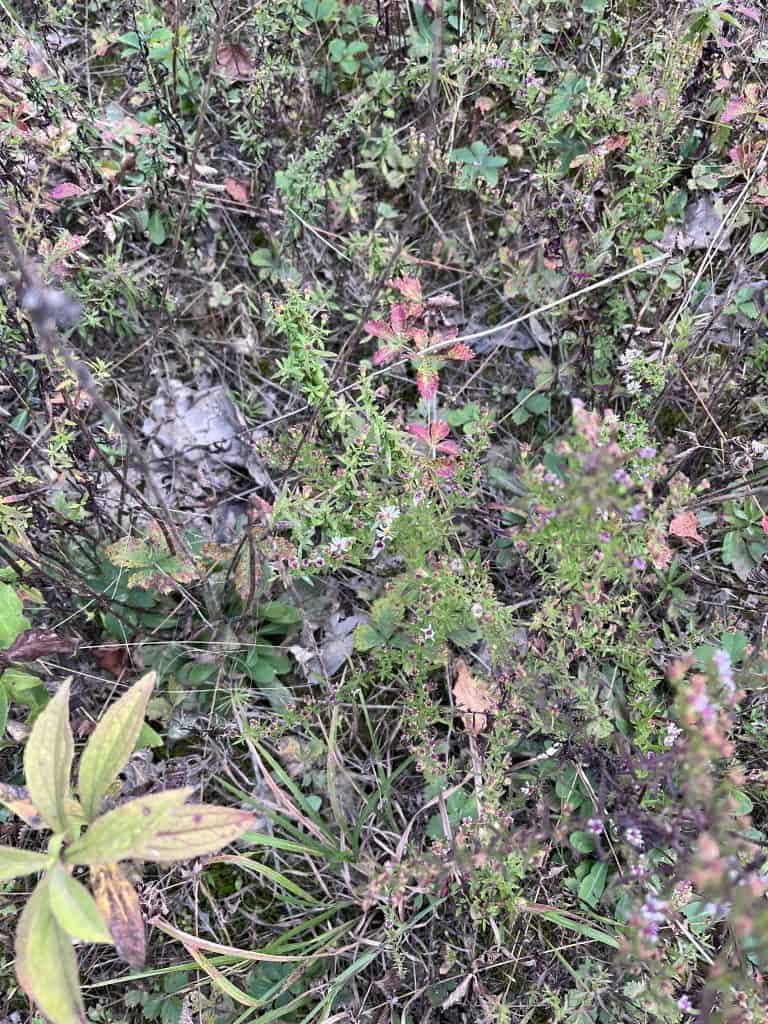
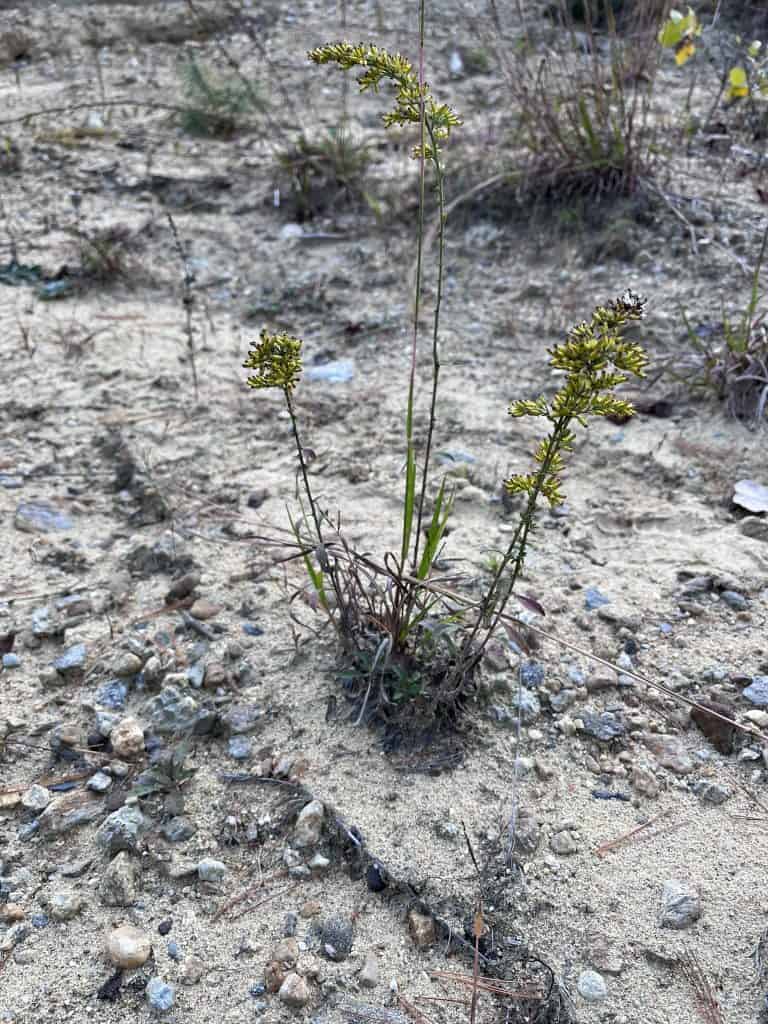
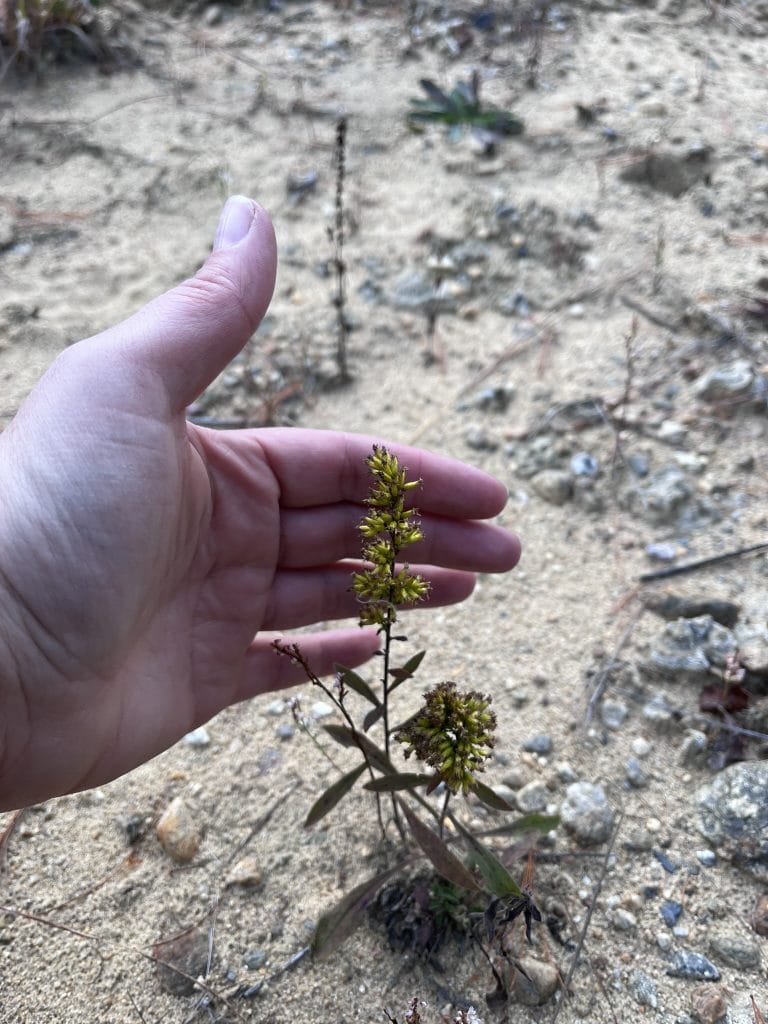
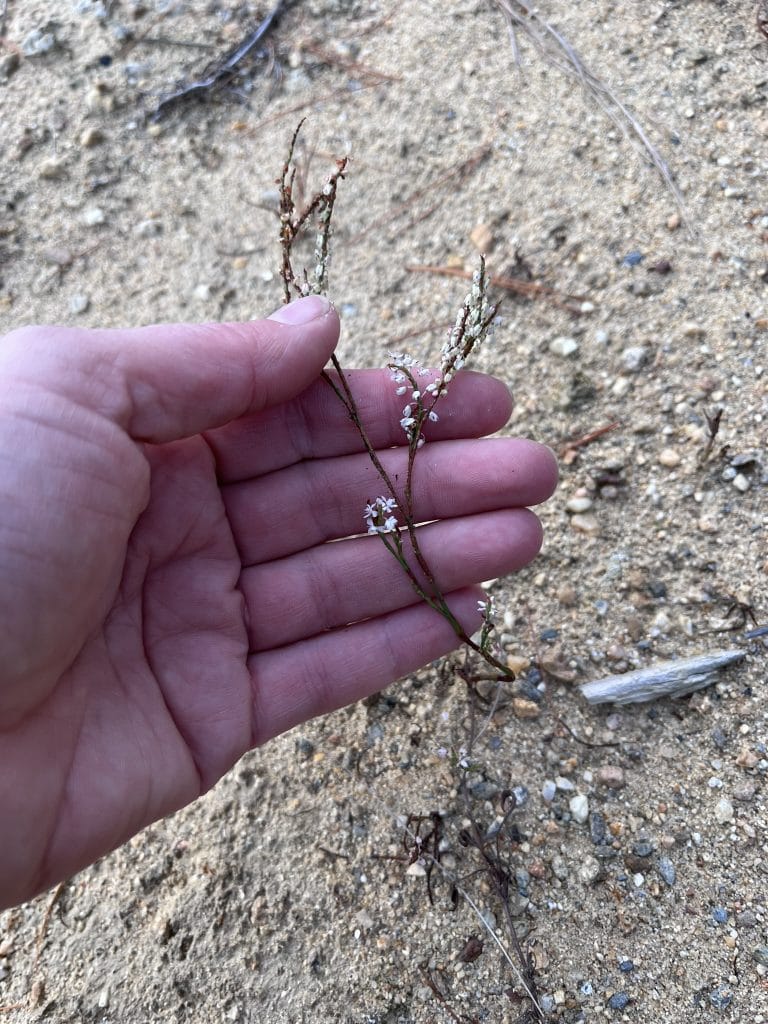
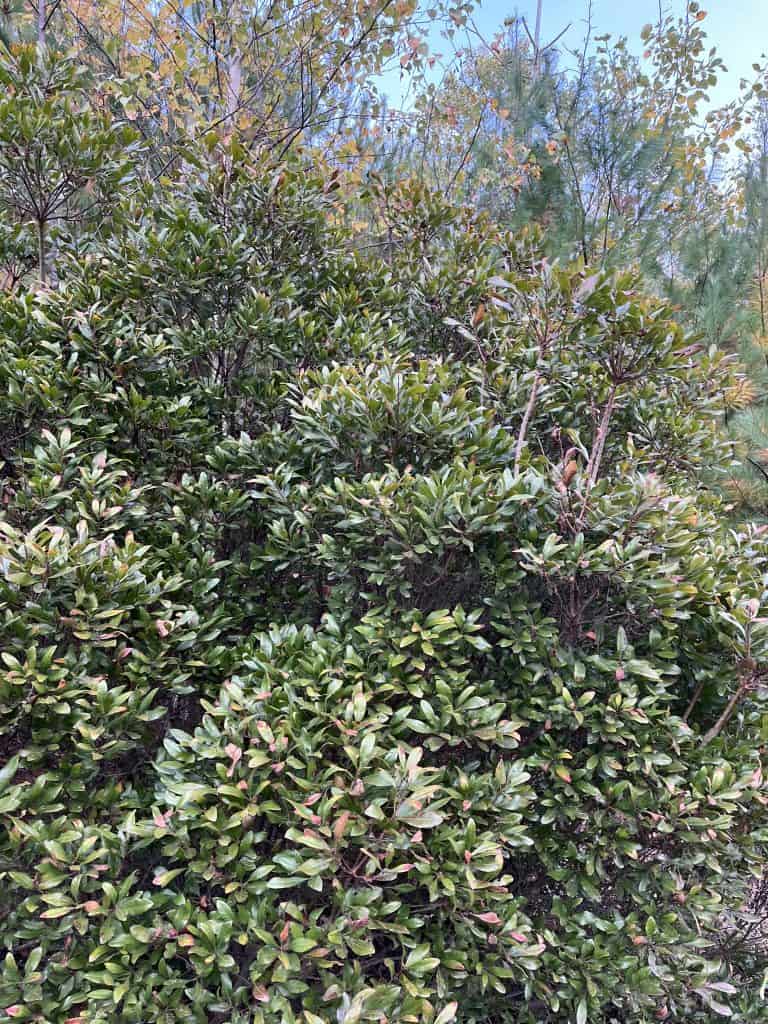
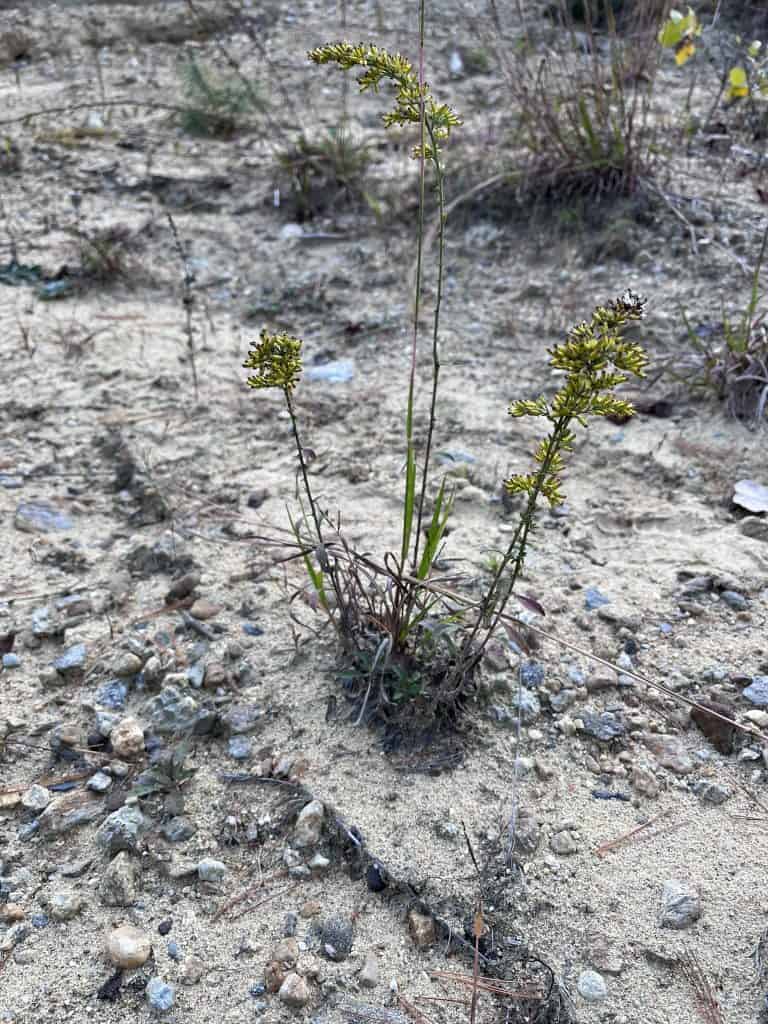
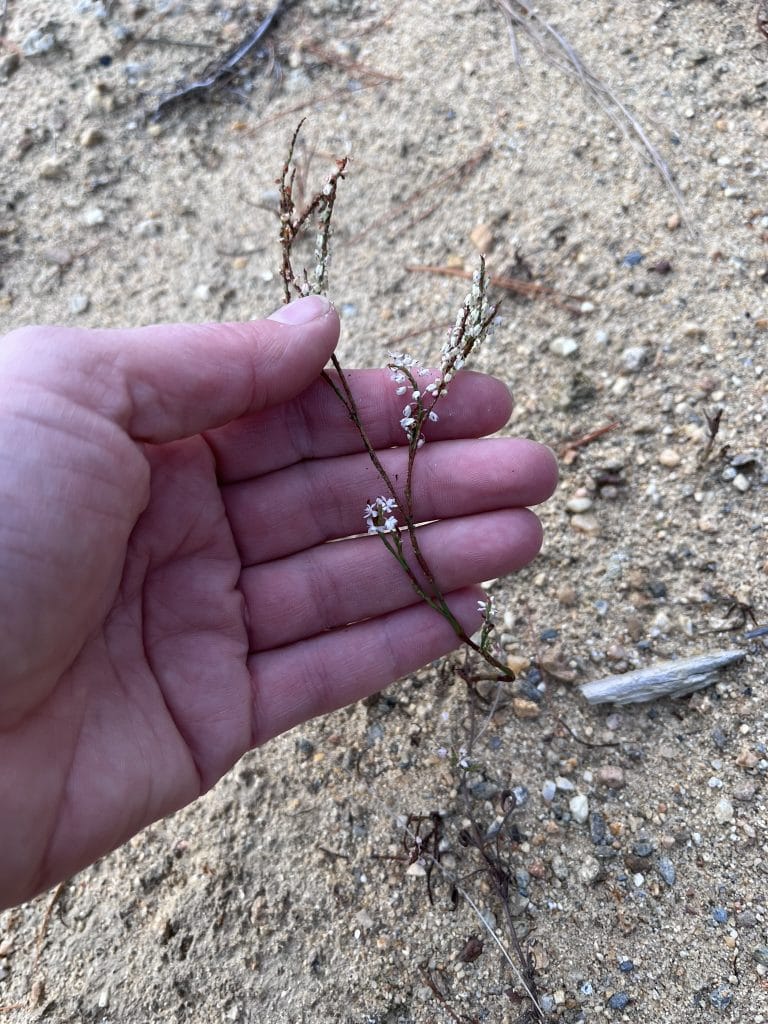
Below are photo observations from the Keyes property made by staff, volunteers, and community members. Join NCLT staff and community members to collect observations of plants, insects, and animals who make Ebenezer Keyes Conservation Area their home. Learning about who lives on the land and how they thrive will help us track our habitat restoration progress and guide future efforts to further improve the land for our native plants and creatures. To learn more about collecting observations check out the iNaturalist and eBird sections of the blog below. ANYONE can help us with this important work!
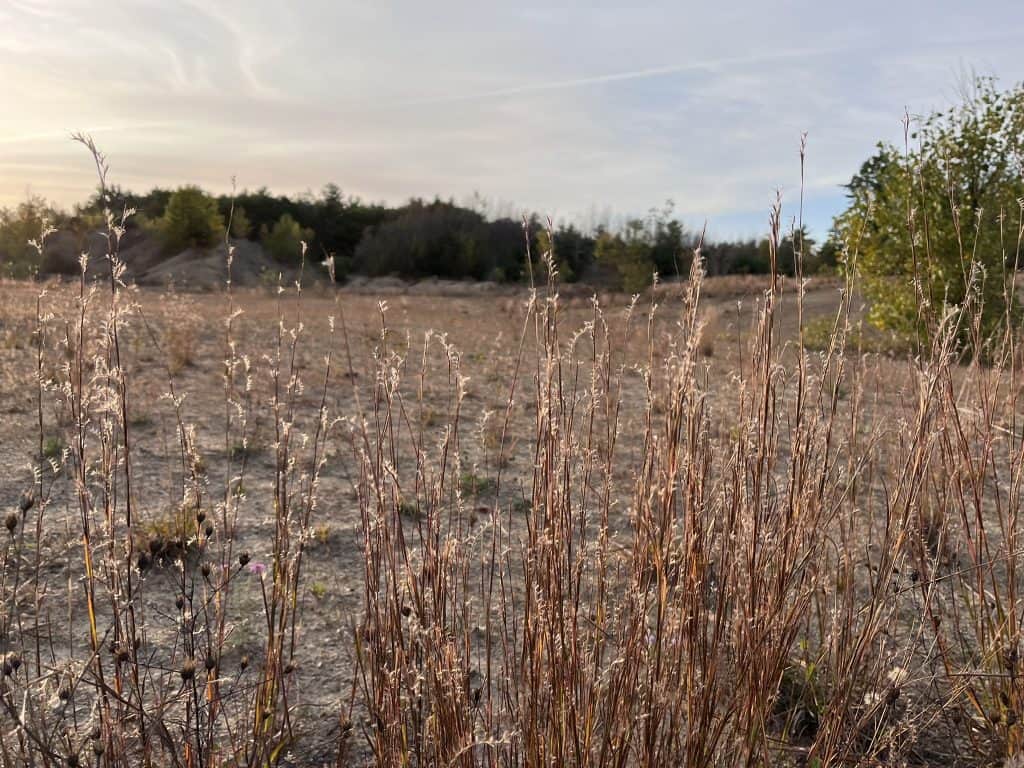 Little Bluestem 1.3.24