As the new year unfolds, exciting changes are on the horizon for Ebenezer Keyes Conservation Area in Gardner, Massachusetts. The first stages of an inland sandplain grassland habitat restoration project are set to take place in the upcoming spring months. Before the habitat restoration work begins, North County Land Trust (NCLT) will be hosting an informational walk open to the public to offer more information about the project, answer questions, and provide an opportunity to see the site before the habitat restoration work begins. Registration for this walk can be found on the upcoming events page on the NCLT website.
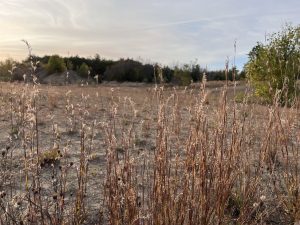
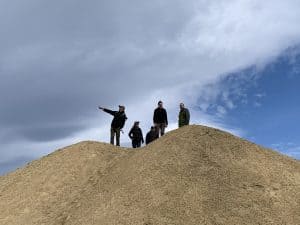
An inland sandplain grassland habitat is globally rare and supports multiple species listed on Massachusetts’ Species of Greatest Conservation Need list. If you would like to learn more about inland sandplain grasslands, visit the fact sheet on mass.gov. The initial phase of the project will involve grading out large mounds of sand (seen in image on the left) that were left over from a failed development project. The goal of this process is to create a more habitable, rolling landscape. This process, which will utilize earthmoving equipment, is expected to be completed in a few weeks this spring. Importantly, all material from the mounds will be kept on-site as it forms the critical foundation for the new habitat.
Once the mounds have been graded, NCLT will begin the next stage of restoration. This involves allowing native grasses, like Schizachyrium scoparium (Little Bluestem), to proliferate and occupy this habitat. These plants will help stabilize the sandy soil, provide food and habitat for wildlife, and contribute to the overall health of the emerging ecosystem.
One of the most important aspects of this project is monitoring the species at Ebenezer Keyes Conservation Area. NCLT has announced an ongoing community species monitoring project using iNaturalist and eBird apps. These apps let visitors capture and share photos and observations of plants, insects, and wildlife, contributing to our understanding of the area’s variety of species observed.
“This project gives us the opportunity to improve land that was disturbed and abandoned years ago and provide valuable, rare habitat to the landscape as well as enjoyable recreation opportunities for the community.” – Emily Merlino, Director of Land Programs
The species monitoring program will track which species are spotted and assess their role in this globally rare habitat. The data will guide future management decisions and ensure long-term habitat restoration success. NCLT emphasizes that these apps are for everyone and if you’d like to get involved but aren’t sure about the next steps, check out the resources located on the Ebenezer Keyes Restoration Project Blog and keep a look out for an upcoming iNaturalist walk this spring to learn how to collect data and images.
Protected in 2020, NCLT has been stewarding Ebenezer Keyes Conservation Area for five years and pursuing ways that this conservation area could provide a larger ecological impact in the area. This restoration project of a globally rare habitat will increase the conservation value of this land and improve recreational and educational values as well as providing a vibrant outdoor space and ample nature education opportunities for residents and visitors of Gardner.
Community members are invited to join this exciting journey and contribute to the stewardship efforts. To get involved or learn more about the project, contact Emily Merlino, Director of Land Programs, and visit the Keyes Restoration Project Blog webpage for regular updates and resources about the project.